Fotona Laser Treatments Encino, CA: How to Get Ready for Treatment Day
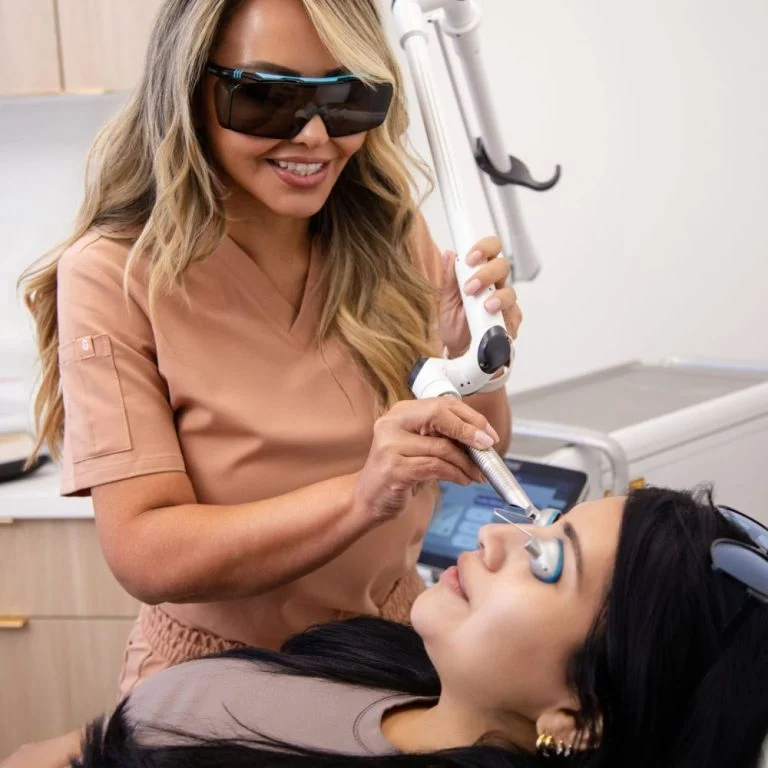
If you have a Fotona appointment coming up, preparation matters more than most people expect. The laser itself does the clinical work, but your skin condition on treatment day often determines how smoothly the session goes, how comfortable it feels, and how predictable the recovery will be. Patients sometimes focus on the machine and forget the small, ordinary choices in the week before treatment, like sun exposure, active skin care, and what they put on their face that morning. Those details can make the difference between an easy visit and a frustrating reschedule.
Fotona Laser Treatments Encino, CAThat is especially true with Fotona Laser Treatments Encino, CA, where many patients are balancing work, social plans, fitness routines, and, given the local climate, regular sun exposure. In a place where errands often happen in bright daylight and weekends can mean hiking, patios, or pool time, skin may be more sun sensitized than people realize. I have seen perfectly motivated patients arrive ready for a laser session, only to learn that a fresh tan, recent peel, or a forgotten retinoid needs to change the plan.
Getting ready well is not complicated, but it does require intention. A thoughtful run-up to treatment helps your provider work safely and tailor settings appropriately. It also helps you heal in a cleaner, calmer way.
Know what Fotona is being used to treat
“Fotona” refers to a laser platform, not one single treatment experience. That distinction matters because preparation can vary depending on whether you are being treated for pigmentation, texture, acne scars, vascular concerns, tightening, snoring-related oral treatments, or a gynecologic indication. Even within aesthetic appointments, your provider may use one wavelength, combine modalities, or stack superficial and deeper passes in the same visit.
For example, a lighter resurfacing session meant to freshen texture may have very different downtime from a more aggressive treatment targeting acne scarring. A collagen-focused tightening treatment may leave you pink and warm for a shorter period than a resurfacing approach designed to create more visible peeling. Patients often hear “laser” and assume all pre-care is the same. It rarely is.
That is why the most useful first step is simple: ask exactly what type of Fotona treatment you are scheduled for and what the intended endpoint is. If your provider says they are aiming for tightening with minimal downtime, your preparation priorities may center around hydration, sun avoidance, and pausing irritating products. If the goal is resurfacing or pigment correction, recent tanning, inflammation, and exfoliation become even more important.
When patients understand the purpose of the session, they tend to prepare more realistically. They also ask better questions.
Start with your consultation, not the calendar
Many people think preparation begins three or seven days before their appointment. In practice, it starts at the consultation. That is when your provider should review medical history, medications, skin type, prior procedures, cold sore history, pregnancy status if relevant, and whether you are prone to post-inflammatory hyperpigmentation or keloid scarring. If any of that is left vague, treatment day becomes less efficient and sometimes less safe.
This is also the point to discuss timing. If you have a major event coming up, be specific. “I have a wedding soon” means different things to different people. Tell your provider if it is four days away, two weeks away, or six weeks away. With laser treatments, that gap changes recommendations dramatically.
A patient once described an upcoming event as “next month,” which sounded comfortable enough at first. After a little more discussion, it turned out the treatment was scheduled for the Monday before a Saturday engagement party where she would be photographed outdoors in midday light. For a mild treatment, that might have been manageable. For the more corrective session she wanted, it was too tight. We changed the plan, and she was much happier for it.
Precision helps. Good laser care often comes down to details that seem small until they are not.
The two biggest issues before treatment: sun and irritation
If I had to name the two most common reasons a laser session gets delayed, they would be recent sun exposure and a skin barrier that is already irritated. Both are extremely common in Encino, and neither always looks dramatic.
Sun exposure is not just a deep tan. It can be subtle warmth, lingering redness across the cheeks, a little extra pigment on the forehead, or skin that feels slightly tight after a weekend outside. Patients often say, “I did not burn,” as if only a sunburn counts. For laser planning, it is broader than that. Any increase in pigment or inflammation can affect how your skin responds.
The second issue is irritation from skin care. Retinoids, exfoliating acids, scrubs, acne medications, and “brightening” products can quietly disrupt the barrier in the days before treatment. Sometimes the skin looks normal at rest but stings when cleansed or feels reactive when product is applied. A laser on top of that can hit harder than intended.
Neither of these problems means you did something wrong. They do mean your provider needs accurate information. If you spent the weekend at an outdoor birthday lunch or restarted prescription tretinoin after a break, mention it. Laser settings are not chosen in a vacuum.
What to stop, and when to stop it
Your clinic should give you a treatment-specific prep sheet, and that document should always take priority. Still, there are common patterns that apply to many aesthetic laser appointments.
In the week or two leading up to treatment, most providers advise patients to avoid excessive sun exposure and skip activities that leave the skin heated, flushed, or freshly tanned. For facial treatments, that often includes tanning beds, deliberate sunbathing, and intense outdoor exposure without protection. A baseball game in the afternoon sun counts. So does a long trail walk without a hat.
Active skin care is the other area where patients get tripped up. Retinoids are a frequent issue. So are glycolic acid, salicylic acid, lactic acid, benzoyl peroxide, and stronger vitamin C formulations if they are already irritating your skin. Not every patient needs to stop every active for the same amount of time, which is why generic internet advice is unreliable. A patient using over-the-counter adapalene twice a week has a different baseline from someone using prescription tretinoin nightly plus acid pads.
Waxing, threading, depilatory creams, and aggressive exfoliation can also complicate treatment, especially around the upper lip, chin, brows, and sideburn area. If your skin has recently been mechanically or chemically irritated, your provider needs to know. It may not cancel the session, but it might change the treatment map.
If you are prone to cold sores and the treatment involves the mouth or perioral region, tell your provider early. Antiviral prophylaxis is a common planning point and not something to leave until you are already in the treatment chair.
The week before: keep your skin boring
The best skin care before laser is usually the least exciting. Patients often feel tempted to “help” the treatment by exfoliating more, using a brightening mask, adding a peel pad, or booking a facial a few days before their appointment. That instinct is understandable and usually counterproductive.
You want calm skin, not polished skin. Your barrier should be steady, hydrated, and predictable. Think gentle cleanser, plain moisturizer, sunscreen, and not much else unless your provider has advised specific pre-conditioning products. If your clinic has you on a pigment-control routine or antiviral plan, follow that exactly. Otherwise, simplicity wins.
This is also a good time to think about your schedule. If your treatment may leave you pink, puffy, or flaky, prepare your work and social calendar accordingly. Remote meetings are easier than in-person events. A midday exercise class the next morning may not feel great if your skin is warm and tight. Many patients manage this well once they expect it. Trouble usually starts when they assume they will look completely unchanged.
What to bring up with your provider before treatment day
The more candid you are, the easier it is for your provider to choose safe settings and give realistic guidance. Mention changes even if they seem minor.
- Any recent tanning, sun exposure, or redness
- New skin care products, especially retinoids, acids, or acne treatments
- Recent facials, waxing, threading, peels, or injectables in the treatment area
- A history of cold sores, keloids, melasma, or hyperpigmentation after irritation
- Upcoming travel, events, workouts, or pool time that could affect healing
This kind of honesty does not “mess up” your appointment. It protects it. Providers would much rather adjust the plan than push through a treatment under less-than-ideal conditions.
The night before treatment
There is no prize for doing extra the night before a laser appointment. Skip masks, scrubs, peels, and active serums unless you were specifically told to use a prescribed product. Wash your face gently, moisturize if that is part of your normal routine, and get decent sleep. Skin does not become laser-ready because of one miracle product the night before. It becomes laser-ready because you have kept it stable.
Hydration helps, though not in a magical way. Drink water normally and avoid anything that predictably leaves you puffy, flushed, or dehydrated the next morning. If your provider has prescribed an antiviral or another pre-treatment medication, take it exactly as directed. That part matters more than trendy prep habits.
Plan your logistics as well. If you know your face may feel warm afterward, have a clean pillowcase at home, gentle skin care stocked, and a hat available for the trip back if appropriate. Small planning steps reduce stress when you are leaving the office.
What to do the morning of your appointment
Arrive with clean skin unless your clinic tells you otherwise. That generally means no makeup, no heavy moisturizer, no self-tanner, and no fragranced products on the treatment area. For body treatments, do not apply lotions, oils, or shimmer products unless the office has cleared them. If the treatment area includes the face and neck, include the neck in your prep. People often forget that part.
Wear comfortable clothing, especially if you are having treatment beyond the face. If the neck, chest, abdomen, or thighs are involved, tight fabrics rubbing against freshly treated skin can be surprisingly annoying afterward. A soft button-front top is often easier than pulling something over your head if your face or neck will feel warm.
If you are sensitive to discomfort, ask in advance whether numbing cream is used and whether you need to arrive early for it. Different Fotona protocols vary. Some are very tolerable with cooling and no numbing. Others may involve more heat or cumulative discomfort. Knowing what your office typically does helps you plan your time and expectations.
A simple treatment-day checklist
- Come with clean skin and no makeup on the treatment area
- Bring a hat or other sun protection for the trip home if advised
- Confirm any prescriptions, including antiviral medication, have been started correctly
- Wear loose, comfortable clothing that will not rub treated skin
- Leave enough time so you are not rushed, especially if numbing is part of your protocol
Patients who feel hurried often forget to ask their last important question. Give yourself margin.
What treatment day usually feels like
Experiences differ depending on the specific Fotona modality, energy settings, the area being treated, and your own sensitivity. Many patients describe the sensation as quick heat, snapping warmth, or a prickly build-up over repeated passes. Deeper or more corrective sessions can feel progressively warmer, while lighter sessions may be easier than patients expected.
Right after treatment, redness and warmth are common. Swelling varies. Around the eyes, even modest swelling can look dramatic the next morning, which is alarming only if nobody warned you. Texture changes can also be part of the normal process. Skin may feel dry, rough, tight, or sandpapery before it improves. If resurfacing is part of the treatment, peeling or bronzing may occur over several days.
This is where preparation intersects with expectations. Patients do best when they know what the likely healing arc looks like and what would count as unusual. “Red for a day or two, then rough for three to five days” is far more useful than “some downtime.”
The first few days after matter too
Strictly speaking, this is beyond treatment-day prep, but it belongs in the conversation because good preparation includes setting up your recovery. Ask your provider what you should use afterward and what you should avoid. The answer is often very plain: gentle cleanser, bland moisturizer, sunscreen, no picking, no hot workouts for a bit, and no jumping back into exfoliants too soon. But the exact timeline matters.
People get impatient at two common moments. The first is when the skin feels rough and they want to scrub off flaking. Do not do that. The second is when the redness fades just enough that they assume they can restart all their actives. Also not wise unless your provider has cleared it.
This is especially relevant in sunny climates. Even a quick drive, school pickup, or lunch outdoors adds exposure. Freshly treated skin and casual California sun are a poor mix. If you are getting Fotona Laser Treatments Encino, CA, post-care sun protection should be treated as part of the procedure, not an optional extra.
When a provider may delay your session, and why that is a good sign
Patients sometimes feel disappointed or embarrassed if a clinic recommends postponing treatment. In reality, a provider willing to delay is often showing sound clinical judgment. It usually means they are paying attention to your actual skin, not just the appointment slot.
Reasons for postponement can include a fresh tan, active irritation, a breakout in the treatment area, a healing cold sore, recent use of isotretinoin depending on context and provider judgment, a recent peel, or uncertainty about whether your skin barrier is ready. Sometimes the issue is simply timing. If you are about to leave for a beach vacation or have a major event in forty-eight hours, a delay may save you from unnecessary stress and a suboptimal outcome.
It is better to lose a date on the calendar than to push forward with skin that is not ready.
Questions worth asking if you still feel unsure
A good consultation should leave you with clarity, but some uncertainty is common, especially if this is your first laser treatment. Rather than asking broad questions like “Will it hurt?” try asking focused ones. Ask what your downtime is likely to be based on your skin type and the exact treatment planned. Ask what products to stop and for how long. Ask whether your provider expects swelling, peeling, bronzing, or pinpoint roughness. Ask when you can work out, wear makeup, or restart retinoids.
Those details matter because they shape behavior. A patient who knows she may be flaky on day three can schedule around it. A patient who assumes everything will be back to normal by the next morning may end up stressed, over-applying products, or calling the office in a panic over an expected healing phase.
Clarity prevents overreaction.
One final point about expectations
Preparation is not just physical. It is mental. The best laser patients understand that real improvement often happens in layers. Some results look immediate because swelling and tightening create a short-term effect. Other changes, especially those tied to collagen remodeling, emerge more gradually. If your provider has recommended a series, that is not usually a sales tactic by default. It may simply reflect the biology of what can be improved safely over time.
Treatment day should feel organized, informed, and calm. You should know what is being treated, why that specific Fotona approach was chosen, what you were asked to stop beforehand, what the first few recovery days will likely look like, and when to call the office if something feels off. If any of that is unclear, ask before the laser starts.
That level of preparation tends to produce a better experience from every angle. It helps your provider treat confidently. It helps you recover with less guesswork. And it gives your skin the best chance to respond the way everyone is hoping it will.
OMNIA Wellness Center
Address: 16430 Ventura Blvd Ste 207, Encino, CA 91436
Phone number: +18183868511
FAQ About Fotona Laser Treatments Encino, CA
What is a Fotona laser good for?
A Fotona Laser system is a versatile, dual-wavelength medical laser used primarily for non-surgical skin tightening, anti-aging rejuvenation, and dermatological treatments.
How much does the Fotona laser cost?
The cost of a Fotona laser depends heavily on whether you are looking to purchase a laser machine for a medical practice or are a patient seeking a laser treatment at a medspa.
Is a Fotona laser worth it?
A Fotona laser treatment is generally worth it if you want non-surgical skin tightening, improved texture, and collagen stimulation with very little downtime.