What Are the Advantages of Fotona 4D Laser Facial (TimeWalker) in Encino, CA?
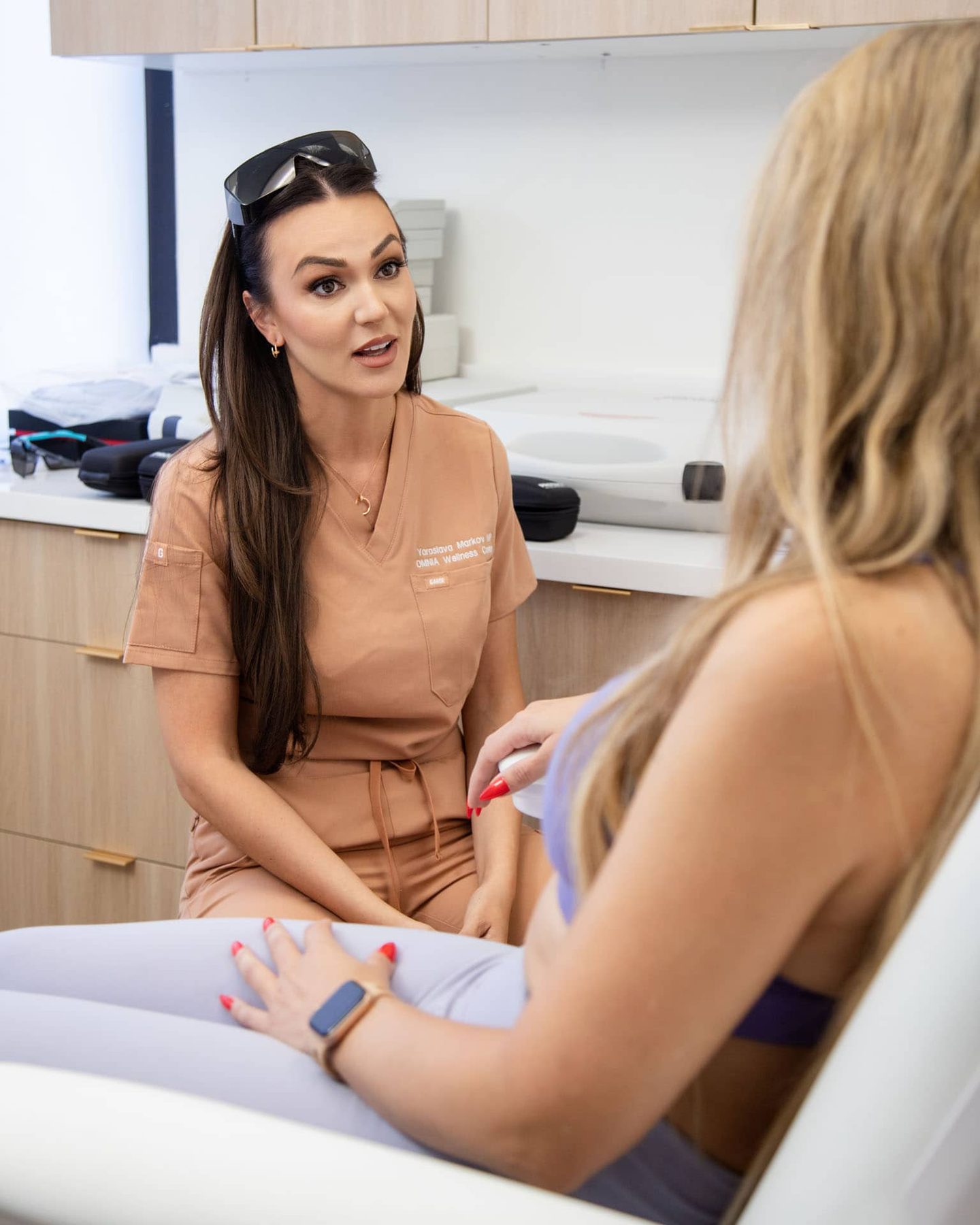
People looking for facial rejuvenation in Encino often want the same thing: visible improvement without committing to surgery, weeks of downtime, or a result that looks obvious from across the room. That is exactly where the Fotona 4D Laser Facial, often associated with the TimeWalker platform and protocols, has earned attention. It sits in a useful middle ground. It is more active than a topical facial or a gentle spa treatment, but less disruptive than a surgical lift or a fully ablative resurfacing procedure.
The appeal is not just that it is a laser facial. Plenty of treatments can claim that. The advantage lies in how this treatment approaches aging from several angles at once, treating superficial texture, deeper collagen remodeling, skin laxity, and even the inside of the mouth as part of a broader strategy for facial tightening and renewal. For the right patient, that multi-layered approach matters more than any single buzzword.
In a place like Encino, where patients tend to be informed, busy, and selective, a treatment has to justify the time, cost, and recovery. Fotona 4D usually does that best when patients understand what it can realistically improve, who tends to benefit most, and how it compares with the alternatives they are already considering.
Why this treatment stands out from a typical “laser facial”
A standard facial, even a very good one, primarily works at the surface. It can brighten skin, improve hydration, and help with congestion. Some energy-based facials go a step further and stimulate collagen, but many still focus on one layer of tissue or one concern at a time.
Fotona 4D is different because it is designed as a sequence of laser modes that address the face in stages. The exact settings and sequence can vary by provider and patient, but the overall concept is consistent: stimulate tightening from inside the oral cavity, treat deeper tissue for firmness, refine the skin surface, and improve tone and texture. That layered strategy is one of its biggest advantages.
Patients often notice that this creates a more balanced result. Instead of getting only smoother skin but no tightening, or some tightening without much textural improvement, they can see a combination of changes. The face may look fresher, a bit firmer, more rested, and less creased, without the skin looking overtreated.
That nuance matters. The best cosmetic work is often the kind that prompts someone to say, “You look good,” not, “What did you have done?”
The advantage of treating from the inside out
One of the most distinctive elements of Fotona 4D is the intraoral component. That means part of the treatment can be delivered from inside the mouth, targeting tissue in the cheek and perioral area without breaking the outer skin.
This sounds unusual to new patients, but from a structural standpoint it makes sense. The lower face and mouth area tend to show age through volume changes, soft tissue descent, and fine lines around the lips. External treatments can help, but approaching some of that tissue from the inside creates another pathway for collagen stimulation and tightening.
In practice, this can be especially useful for people bothered by early jowling, softening along the nasolabial folds, mild lower face laxity, or crepey changes around the mouth. It is not a replacement for a facelift when someone has significant skin redundancy. It is, however, a meaningful option for patients who are not ready for surgery or simply do not need it yet.
I have seen the strongest satisfaction among patients who understand this point before they start. The treatment is not magic, and it is not a one-session substitute for an operation. Its strength is that it can create noticeable refinement in an age range where patients are starting to see loosening but still want to remain conservative.
Collagen remodeling without the social downtime many patients dread
Downtime is one of the first things patients in Encino ask about, and for good reason. Many people cannot disappear from work, school pickups, social events, or camera-facing obligations for ten to fourteen days. A treatment can be effective on paper and still be impractical in real life.
One advantage of the Fotona 4D Laser Facial (TimeWalker) Encino, CA patients often appreciate is that recovery is typically manageable compared with more aggressive resurfacing approaches. Depending on the settings used, patients may experience redness, warmth, mild swelling, or a sandpapery texture for a few days. Some are comfortable returning to regular activities quickly, sometimes even the same day or the next, with the understanding that skin may still look flushed.
That lighter recovery profile changes the equation. It means a patient can pursue collagen remodeling and skin renewal without planning their entire month around healing. For a parent with a packed calendar, an executive with meetings, or anyone who simply does not want to explain a dramatic post-treatment appearance, that matters.
The trade-off is equally important to say out loud: less downtime usually means more gradual change than the strongest ablative procedures. Patients choosing Fotona 4D are often accepting a gentler recovery in exchange for a softer, more progressive result.
It can address several common aging concerns in one treatment series
When patients describe what bothers them about their face, they rarely mention a single isolated issue. They do not say, “I only care about one line near my mouth.” More often they describe a collection of changes: skin feels thinner, the jawline looks less crisp, pores seem more visible, the mouth area looks tired, makeup catches on texture, and the whole face appears less tight than it used to.
Treating those concerns one by one with unrelated procedures can become expensive, time-consuming, and sometimes unnecessarily complicated. Fotona 4D has an advantage here because it was built as a combination approach. In the right hands, one treatment plan can target mild laxity, uneven texture, fine lines, dullness, and early signs of volume support loss through collagen stimulation.
That does not mean it replaces everything. Deep pigment, significant redness from vascular issues, heavy melasma, advanced sagging, or major volume loss may need separate or complementary treatment. Still, when a patient wants broad, non-surgical facial rejuvenation rather than a single-issue fix, the treatment’s versatility becomes a real selling point.
This is one reason it often appeals to patients in their late thirties through fifties, though age alone is never the whole story. The best candidates are defined less by age and more by tissue quality, goals, and expectations.
Why Encino patients often gravitate toward treatments like this
Encino has no shortage of aesthetic options. Patients here compare technologies, ask smart questions, and usually come in with a mental shortlist already formed. They are not just looking for “a laser.” They want a treatment that fits into a full life and does not leave them looking unnatural.
That local context helps explain the popularity of treatments such as the Fotona Fotona 4D Laser Facial (TimeWalker) Encino, CA 4D Laser Facial (TimeWalker) Encino, CA providers may offer. The area has a large population of professionals, on-camera talent, entrepreneurs, and image-conscious residents who want polished results but do not necessarily want dramatic intervention. They may have tried skin care, peels, microneedling, or injectables already. Often they are looking for what comes next, something that moves beyond maintenance facials without crossing into surgery.
The climate also plays a role. Southern California sun exposure tends to accelerate visible aging, especially through texture changes, fine lines, laxity, and uneven skin quality. Even patients who are diligent with sunscreen can develop cumulative photoaging over time. Laser-based rejuvenation often enters the conversation for that reason alone.
A useful option for patients who want tightening without adding volume
One subtle advantage of Fotona 4D is that it speaks to a different concern than fillers do. Fillers add volume. Sometimes that is exactly what the face needs. In other cases, patients are not truly volume deficient, they are dealing more with tissue laxity and collagen loss. If you add filler to lax tissue without enough structural support, the result can look puffy rather than refreshed.
That is why some patients become dissatisfied after chasing every sign of aging with syringes. The face may be fuller but not necessarily tighter. Laser tightening approaches can be a better match when the goal is skin quality improvement and firmer support rather than simply adding more product.
This does not make fillers wrong. It just means the treatment choice should match the problem. A patient with hollowing under the eyes or volume loss in the cheeks may benefit from filler. A patient with mild lower face heaviness, etched lip lines, or early laxity may get more value from collagen-stimulating energy. Very often, the most elegant treatment plans combine both, but in a measured way.
The results tend to look like better skin, not a different face
One of the more practical benefits of this treatment is aesthetic subtlety. Patients frequently want improvement that is visible up close yet hard to label. They want to look rested at dinner, sharper on Zoom, less tired in daylight, and smoother in makeup, without becoming the subject of conversation.
Fotona 4D tends to fit that preference. Because it relies on tissue stimulation and resurfacing rather than pulling or filling alone, the result often reads as healthier skin and better tone. Fine lines can soften. The perioral area may look less crinkled. The skin may feel denser and smoother. The lower face may appear a bit more supported.
These are not cartoonish changes, and for many people that is the point.
That said, subtle does not mean disappointing when expectations are aligned. A patient who wants a dramatic lift of the neck and Fotona 4D Laser Facial (TimeWalker) Encino, CA jawline may ultimately be better served by surgery. A patient who wants to look fresher, mildly firmer, and more polished with a low-profile recovery is often happier here.
It works well for the patient who is “not ready” for surgery
There is a large category of aesthetic patient who feels caught between options. They know skin care alone is no longer enough. They may not want repeated filler. They are curious about surgery but not emotionally or practically ready. This is the group that often benefits most from treatments like Fotona 4D.
The phrase I hear often is, “I just want to buy some time.” That is a reasonable goal. Non-surgical treatments can maintain tissue quality, stimulate collagen, and improve the overall look of the face in a way that may delay the point at which a patient considers a more invasive procedure.
The TimeWalker name reinforces this positioning. It appeals to the patient who wants to stay ahead of visible aging rather than react only after changes feel advanced. Used this way, the laser becomes part of a long-term strategy rather than a rescue treatment.
A good provider will be honest about the limits. Maintenance still matters. Sun protection still matters. Hormonal shifts, genetics, stress, and lifestyle still show up in the skin. But for patients trying to preserve a fresher baseline, the treatment can be a smart bridge between purely topical care and surgery.
What the treatment experience is usually like
A first-time patient usually wants to know whether the procedure is painful, how long it takes, and what they will look like afterward. Those are reasonable concerns, and the experience is generally easier than people expect, though comfort varies with settings and individual sensitivity.
During treatment, patients may feel heat, snapping sensations, and warmth that builds in certain areas. The intraoral portion can feel unusual more than painful. The external passes may feel more intense around thinner skin or bony areas. Many practices use cooling measures, topical numbing when appropriate, and careful pacing to keep the session tolerable.
A typical session may take around an hour, sometimes longer depending on whether the full face, neck, or additional areas are included. Afterward, the skin can look pink to red, similar to a moderate sun or wind exposure. Some patients have mild swelling, particularly if deeper tightening settings were used. The skin may feel warm for several hours.
By the next several days, the surface can feel dry or slightly rough as the skin turns over. Makeup timing depends on provider instructions and the exact treatment intensity, but many patients resume normal appearance quickly enough that others may only notice they look flushed or freshly treated.
Where the treatment performs best, and where it does not
This is where judgment matters. The treatment is strong in the following situations:
- Early to moderate skin laxity in the lower face or around the mouth
- Fine lines, especially perioral lines and general textural aging
- Dullness and mild roughness that make skin look tired
- Patients wanting collagen stimulation with limited downtime
- People seeking a non-surgical approach that can be repeated and maintained
It is less ideal as a standalone answer for severe sagging, very deep static folds, heavy neck laxity, or major volume loss. In those cases, a provider may recommend combining treatments or moving to a different category entirely. That is not a flaw in the laser. It is simply a reminder that every device has a lane.
The most disappointed patients are usually the ones who were promised too much, or who assumed a non-surgical treatment would reproduce a surgical outcome. The happiest patients are the ones who wanted meaningful but natural improvement and understood that collagen remodeling unfolds gradually.
Timing and the value of a series
Many collagen-based treatments do not peak overnight. Some patients notice a glow or textural improvement within days to weeks, but the firmer, more structural changes usually evolve over time as remodeling occurs. That delayed payoff can actually be a benefit for people who prefer a discreet transformation.
Providers often recommend a series rather than a one-time session, especially if the starting point includes both laxity and surface change. A patient may begin to see improvement after one treatment, but a series tends to produce more consistent, layered results. Maintenance sessions may then help preserve gains.
This is another advantage of Fotona 4D in practical terms. It can be integrated into a broader skin plan. Patients can pair it seasonally with good skin care, occasional injectables if needed, and strict sun protection. Used that way, it becomes less of a dramatic event and more of a steady investment in skin quality.
Choosing the right provider matters as much as the device
A good laser in inexperienced hands is still a risk. The treatment depends on proper patient selection, settings, sequencing, skin assessment, and aftercare. In a community like Encino, where patients may have varying degrees of sun exposure, pigmentation tendencies, and previous cosmetic treatment, customization matters.
A strong consultation should cover more than enthusiasm for the machine. The provider should examine skin quality, ask about cold sores, pigment history, active acne, medications, and recent tanning. They should explain likely benefits, realistic limits, downtime expectations, and whether another treatment might actually serve you better.
Here are the questions worth asking before booking:
- Am I a good candidate for Fotona 4D based on my skin type and concerns?
- What specific changes can I realistically expect after one session versus a series?
- How much downtime should I plan for with the settings you recommend?
- Do you have before-and-after examples of patients with concerns similar to mine?
- What aftercare will help protect my results and reduce complications?
If the answers sound vague, overly sales-driven, or suspiciously perfect, that is a reason to pause.
The practical upside for long-term skin maintenance
One of the most overlooked benefits of this treatment is how well it fits into a maintenance mindset. Not every patient wants a large intervention. Many simply want to age in a more controlled way. They want to keep skin quality from slipping, stay ahead of fine lines, and preserve a firmer look as long as reasonably possible.
For those patients, the Fotona 4D Laser Facial (TimeWalker) Encino, CA market is attractive because it offers a credible non-surgical tool that can be repeated and adjusted over time. It is not the only useful option, but it is one of the more versatile ones for the patient who values natural-looking improvement and manageable recovery.
That combination, collagen support, textural improvement, subtle tightening, and a relatively livable healing period, explains why this treatment continues to hold its place in aesthetic practices. It meets a very specific need: the person who wants more than a facial, less than surgery, and results that look polished rather than obvious.
For the right candidate, that is not a small advantage. It is the whole point.
OMNIA Wellness Center
16430 Ventura Blvd Ste 207, Encino, CA 91436
Phone: +1 818-386-8511
FAQ About Fotona 4D Laser Facial (TimeWalker) Encino, CA
What is a Fotona laser good for?
Fotona lasers support several different aesthetic protocols. The Fotona 4D facial uses two wavelengths and four treatment modes to address concerns such as fine lines, skin texture, and mild laxity. OMNIA Wellness Center offers the TimeWalker facial with an individual consultation. Suitability and likely improvement depend on the person's skin and goals; results are not guaranteed, and this treatment does not reproduce a surgical facelift.
How much does a Fotona laser treatment cost?
The cost depends on the treatment protocol, areas treated, number of sessions, and provider's assessment. Ask OMNIA Wellness Center for a current written quote that explains what is included, whether follow-up is included, and any proposed package terms. An individualized estimate is more useful than assuming that one advertised price applies to every facial treatment.
How much downtime is there after a Fotona laser procedure?
Recovery varies with the specific protocol and intensity. Fotona describes its 4D facial as having little to no downtime, but temporary redness or sensitivity can occur, and a stronger surface treatment can require more recovery. Ask the treating clinician what to expect from the planned settings, how to care for the skin afterward, and when to contact the clinic with concerns.